

Why Analyze
Why Analyze Indoor Air Quality
Understanding why the air inside your home deserves the same scrutiny we already give to food, water, and outdoor air.
Find Out What is in Your Air
The Question
If What We Breathe Matters, Why Is Indoor Air an Afterthought?
We spend roughly 90 percent of our time indoors. Indoor air has been linked in research to coughs, headaches, dizziness, asthma, COPD, allergic reactions, sinus issues, depression, low energy, skin irritation, itchy eyes, and a range of other conditions, including cardiovascular disease and cancer.
Despite all of that, most professionals you might ask about symptoms are not the ones measuring or correcting the indoor air itself.
- Drug companies sell pharmaceuticals
- Allergists treat allergies
- Environmentalists focus on outdoor air
- Pharmacists dispense drugs
- Pulmonologists treat the lungs
- ER doctors stabilize the patient
- Landlords minimize expenses
- Health Insurance, Medicaid, and Medicare pay for healthcare
- Few professionals focus on measuring and correcting indoor air

Indoor Air and Disease
Not Just Asthma Anymore
- Evidence-based data on what is in the air you breathe
- Identification of indoor pollutant sources
- Plain-language remediation guidance
- Comparisons against outdoor baselines
What Changed
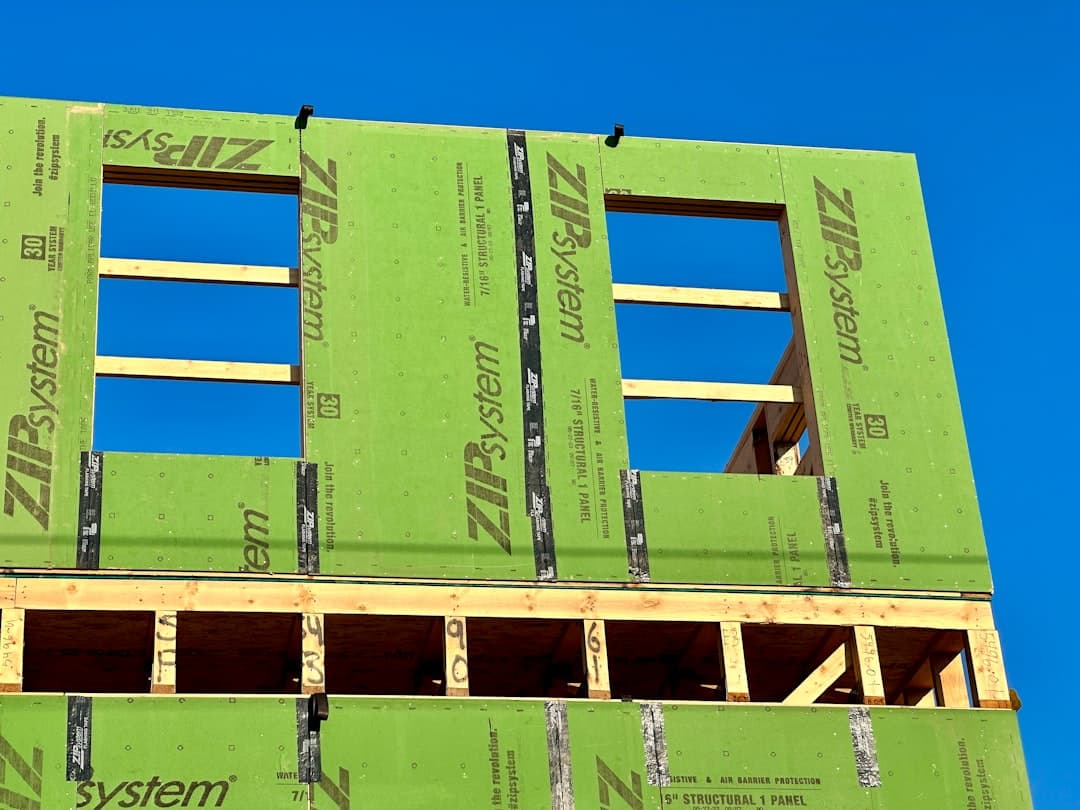
Modern Buildings Are Sealed, and That is the Problem
- Plaster and hardwood swapped for carpet and drywall (higher mold growth)
- UV-blocking coatings on double-pane windows reduce bacteria-killing sunlight
- Weather stripping prevents fresh air infiltration
- Tyvek and caulked seams seal the building envelope
What You Can Do
Measure, Then Decide
- Lab analysis with photographic evidence
- Indoor versus outdoor comparison built into the report
- Remediation guidance you can hand to a contractor
- Direct phone access to the analyst behind your report
Call 770-938-4861 to Discuss Your Concerns
We will help you decide which samples are worth running and what the report will tell you before you book.
Book Indoor Air Analysis
Schedule Your Indoor Air Analysis
Tell us about your home and we'll guide you through next steps.